
IT:
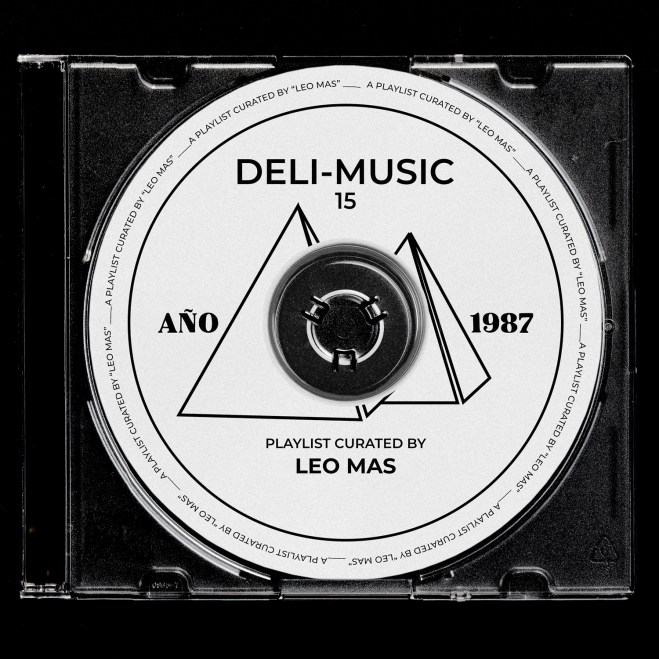
Dopo aver firmato una capsule iconica per Bally, Leo Mas torna a far parlare il suo linguaggio d’elezione: la musica. Per il quindicesimo episodio della playlist Deli-Music, Deliberti affida a uno dei pionieri del suono Balearic la curatela di una selezione che attraversa epoche, vibrazioni e visioni.
Lo abbiamo intervistato per parlare di moda, club culture, collaborazioni e ispirazioni.
Una conversazione a cura di Augusto Penna che suona come la sua playlist: autentica, libera, senza tempo.
Inizierei subito col chiederti come nasce questa collaborazione con Bally, che sei tra i pionieri del genere Balearic?
“La mia collaborazione con Bally nasce nel momento in cui, tramite un mio caro amico, vengo a sapere che la responsabile marketing ed eventi del brand mi stava cercando. Lui mi mette in contatto con lei e mi dice che il direttore creativo di Bally voleva coinvolgermi per la musica della loro sfilata.
La cosa mi ha fatto molto piacere e mi ha riportato indietro al 1983/84, quando – ancora prima di fare il DJ – collaboravo con Basile e altri marchi della moda curando la musica per le sfilate, che assemblavo usando un Revox B77. Era un lavoro molto artigianale: tagliavo il nastro e mettevo in sequenza le tracce scelte per la passerella.”
“Tornando a Bally, ho accettato di incontrare Simone Bellotti, che mi ha confidato di essere un mio fan e di venire ad ascoltarmi nei club – e persino agli afterhours – negli anni Novanta.
Da lì è partita la collaborazione con Bally: ho curato la musica di due sfilate (molto belle ed emozionanti) e, in parte, anche di una terza.
Dopo aver visto delle T-shirt che gli avevo regalato (stampare e produrre T-shirt è una mia passione fin dal 1983), Simone mi ha detto che erano fantastiche e mi ha proposto di collaborare per creare una capsule collection usando alcune delle mie grafiche.
Così è nata la capsule Bally / Leo Mas.”
Quando hai iniziato a suonare, che ruolo aveva la moda all’interno dei club e dei movimenti in generale?
“Quando ho iniziato, nell’estate del 1985, a suonare all’Amnesia di Ibiza – il mio primo club – la moda era parte integrante dei club.
I club erano laboratori creativi, fonti d’ispirazione per gli stilisti.
Jean Paul Gaultier era un habitué dei club di Ibiza – non era l’unico – e proprio da quei luoghi traeva ispirazione per le sue creazioni più provocatorie e audaci.
La moda si è sempre nutrita dell’immaginazione e della libertà espressiva che il clubbing metteva a disposizione. Di conseguenza, ne rifletteva le tendenze.
Per molti stilisti, frequentare i club in quegli anni, in cui l’edonismo era dilagante, è stata una manna dal cielo: una fonte di ispirazione e anche di successo economico.
Nei club nascevano nuovi movimenti e fenomeni musicali che, fin dalla fine degli anni Cinquanta, sono stati linfa per la moda.”
Oggi moda e musica – soprattutto quella dei festival e dei club – vanno a braccetto. Le community più influenti sembrano avere questo connubio come imprescindibile. È un bene o un male?
“Quando parliamo di moda, parliamo anche di arte.
Io amo l’arte nelle sue molteplici sfaccettature, e trovo eccitante che le arti si incontrino liberamente.
Mi piace, è qualcosa di vitale per me.
Mi nutro di queste contaminazioni.”
Ibiza – che nessuno o quasi conosce meglio di te – ha ancora uno spirito avanguardista e trasgressivo, o ha completamente cambiato pelle?
“Ibiza ha nel suo DNA la libertà, quindi anche la trasgressione.
Il mondo si incontra a Ibiza: è sempre stato il palcoscenico perfetto per respirare, gustare ed esprimere questo spirito.
Certo, il mondo è cambiato e anche Ibiza è cambiata in questi quarant’anni che la frequento.
Parlare di avanguardia, oggi, in un mondo che sta tutto dentro uno smartphone, è difficile.
Ma l’isola è ancora viva e pulsante: aprono nuovi club o riaprono quelli storici, mentre altrove in Europa molti chiudono.
Il turismo è in crescita, la stagione si allunga sempre di più.
Tutto questo comporta costi più alti e un turismo sempre più di fascia alta, ma se scegli bene il periodo, Ibiza resta unica.
Ha un servizio 24/7 che nessun altro ha, a un’ora e mezza di volo.
Come dico sempre: è un posto dove, se non vuoi dormire, puoi farlo facilmente, ma se cerchi tranquillità e relax, trovi ancora angoli perfetti per stare bene.
Ogni giorno i club propongono line-up incredibili, che nessun altro posto al mondo riesce a offrire con questa intensità.
È da quasi quarant’anni che Ibiza è la capitale mondiale del clubbing.
Tutto questo perché, a metà degli anni Ottanta, è successo qualcosa di avanguardistico: Ibiza ha esportato nel mondo il suo modo di vivere la notte e il suo sound.
All’epoca era tutto spontaneo e sentito.
Oggi è un’industria a portarlo avanti.
Non è più avanguardia, è omologazione.”
Ascolta la playlist Deli-Music 15 curated by Leo Mas su Spotify e scopri la nostra collezione Bally su deliberti.it
EN:
After creating an iconic capsule for Bally, Leo Mas returns to his primary language: music. For the fifteenth episode of the Deli-Music playlist, Deliberti entrusts one of the pioneers of the Balearic sound with curating a selection that spans eras, vibes, and visions.
We interviewed him to talk about fashion, club culture, collaborations, and inspiration.
A conversation by Augusto Penna that sounds just like his playlist: authentic, free, and timeless.
Let’s start right away: how did this collaboration with Bally, considering you’re one of the pioneers of the Balearic genre?
“My collaboration with Bally began when, through a dear friend, I found out that their marketing and events manager was looking for me. He put me in touch with her and told me that Bally’s creative director wanted me to work on the music for their fashion show. That made me very happy and took me back to 1983/84, when – even before becoming a DJ – I collaborated with Basile and other fashion brands, creating the music for runway shows, which I would assemble using a Revox B77. It was a very artisanal job, cutting tape and sequencing the chosen tracks for the show.”
“Back to Bally – I agreed to meet Simone Bellotti, who told me he was a fan and used to come see me play in clubs in the ’90s, even at afterhours. That’s where the collaboration with Bally started. I curated the music for two shows (both beautiful and emotional), and partly for a third one. After seeing some T-shirts I had given him – printing and producing tees has been a passion of mine since 1983 – Simone said they were fantastic and asked if we could collaborate on a capsule collection using some of my graphics. That’s how the BALLY / LEO MAS capsule was born.”
When you first started playing, what role did fashion have in clubs and in cultural movements in general?
“When I started, in the summer of 1985 at Amnesia Ibiza – my first club – fashion was an integral part of club life. Clubs were creative labs and a source of inspiration for designers. Jean Paul Gaultier was a regular in the clubs of Ibiza – not the only one – and those places inspired his more provocative and daring creations.
Fashion has always fed off the imagination and expressive freedom that clubbing provided. It reflected those trends. For many designers, going to clubs during those hedonistic years was a blessing: a source of inspiration and even financial success. New movements and musical phenomena were born in clubs – and since the late ’50s, they’ve always been a source of energy for fashion.”
Today, fashion and music – especially that of festivals and clubs – go hand in hand. The most influential communities seem to consider this bond essential. Is that a good or bad thing?
“When we talk about fashion, we’re also talking about art. I love art in all its different forms, and I find it excitingwhen the arts are free to come together. I like it – it’s something vital to me. I feed off this kind of contamination.”
Ibiza – which no one knows better than you – does it still have an avant-garde and rebellious spirit, or has it completely changed its skin?
“Ibiza has always had freedom in its DNA, and with that, transgression. The world meets in Ibiza – it has always been the perfect stage to breathe, taste, and express that spirit.
Of course, the world has changed, and Ibiza has changed too, in these forty years I’ve known it. Talking about avant-garde today, in a world that lives inside a smartphone, is difficult. But the island is still vibrant: clubs are opening or reopening, while all over Europe they’re closing. Tourism is booming, the season gets longer every year.
All this leads to higher costs and increasingly five-star tourism, but if you choose the right time to go, Ibiza remains unique. It offers 24/7 service, just an hour and a half away by plane.
As I always say: it’s a place where, if you don’t want to sleep, you don’t have to, but if you’re looking for peace and quiet, you can still find that too. Every day, the clubs offer lineups you won’t find anywhere else in the world with this kind of intensity.
It’s been almost forty years that Ibiza is the global capital of clubbing. All of this happened because, in the mid-1980s, something truly avant-garde took place: Ibiza exported its way of living the night – and its sound – to the world.
Back then it was all spontaneous and heartfelt. Today, it’s an industry that carries it forward – but it’s no longer avant-garde, it’s standardization.”
Listen the playlist Deli-Music 15 curated by Leo Mas on Spotify and discover our Bally collection on deliberti.it
 delibertimagazine.com