
IT:
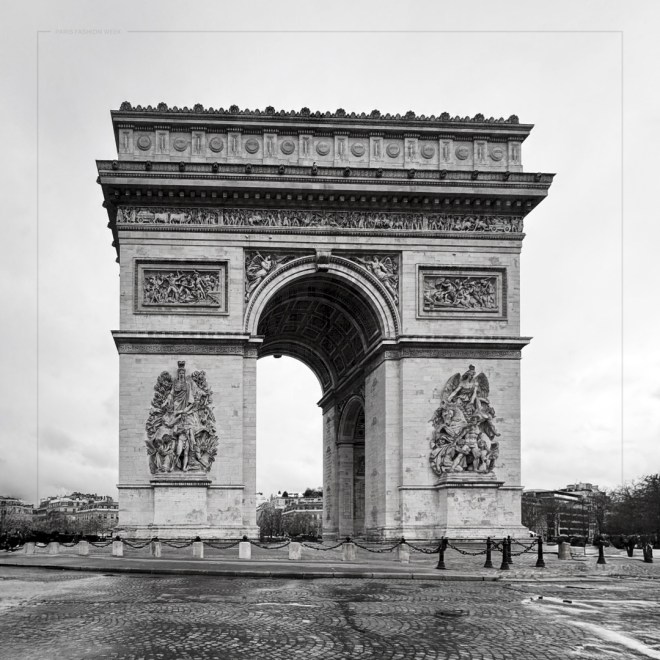
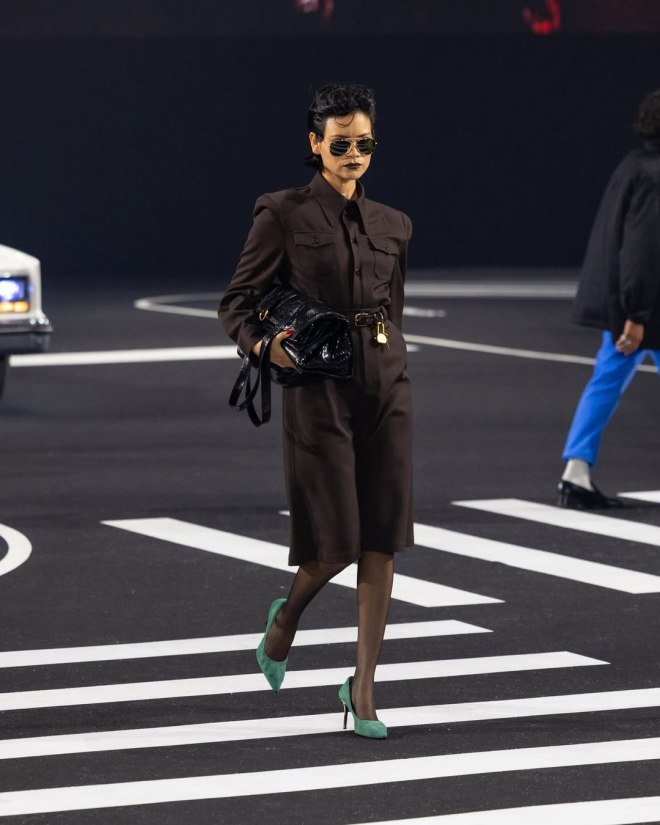
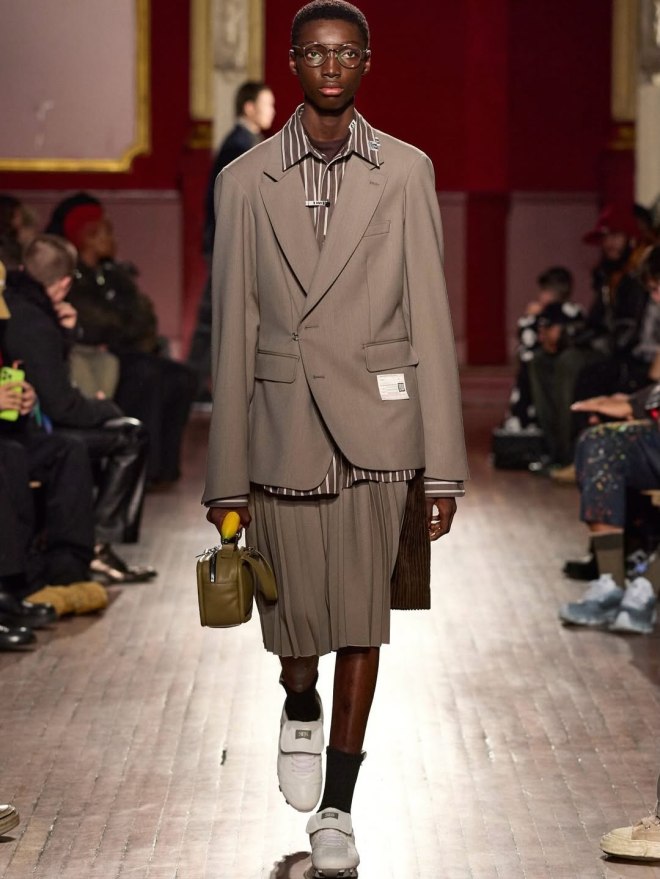
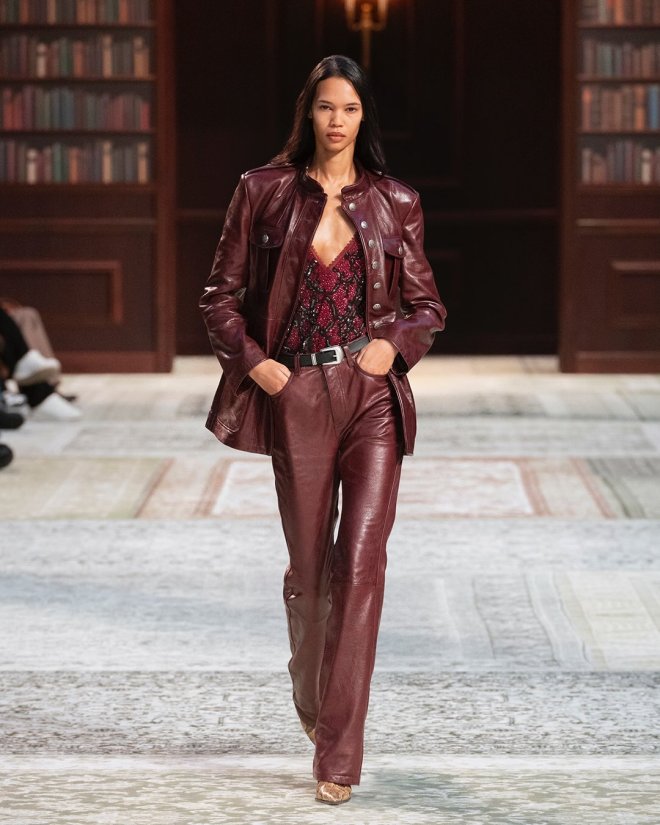
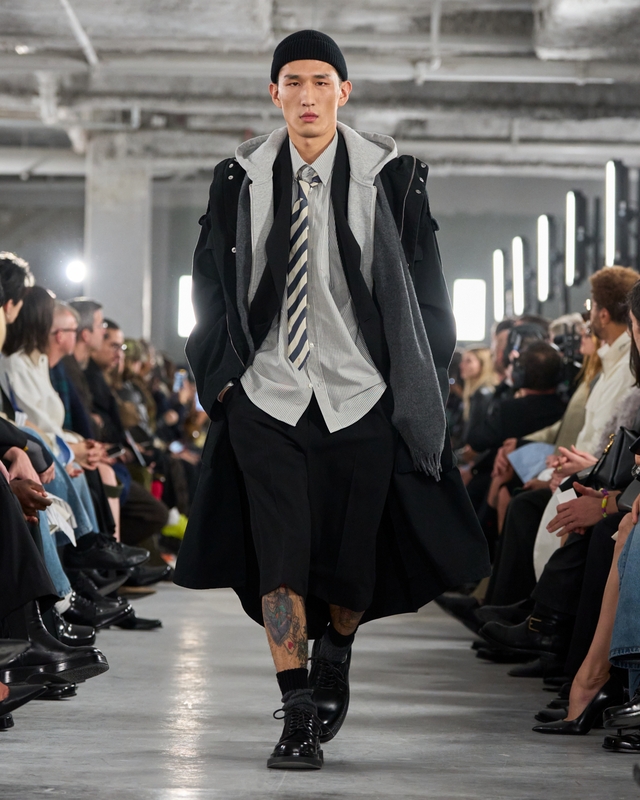
Alla Paris Fashion Week si delinea una stagione futura che parla con decisione di contrasti calibrati e di una nuova idea di femminilità (e mascolinità) consapevole. Le silhouette si allungano e si strutturano: blazer importanti, cappotti dal taglio netto e spalle definite diventano il punto di partenza di look forti, spesso ammorbiditi da tessuti fluidi o da uno styling più rilassato. Il tailoring torna protagonista, ma non è mai rigido: viene destrutturato, portato a pelle o sovrapposto con naturalezza, suggerendo un’eleganza meno formale e più personale.
Il colore gioca un ruolo chiave nel definire l’identità della stagione. Accanto a una base di tonalità neutre — grigi, beige, neri profondi — emergono accenti intensi come rossi saturi, blu decisi e tocchi metallici, utilizzati per dare carattere anche ai look più minimal. I materiali diventano fondamentali: pelle liscia o lavorata, superfici lucide, tessuti tecnici e trasparenze leggere convivono nello stesso outfit, creando un dialogo visivo tra forza e delicatezza.
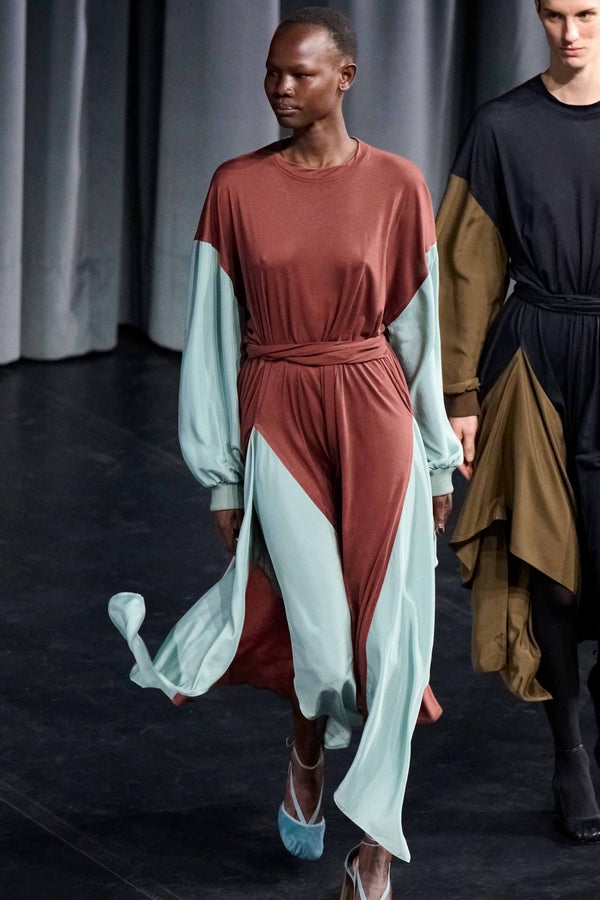
Sul fronte styling, la tendenza è quella di costruire look apparentemente semplici ma ricchi di dettagli. Gonne midi abbinate a maglie essenziali, pantaloni ampi portati bassi sui fianchi, abiti fluidi spezzati da cinture importanti o accessori oversize. L’accessorio non è più un complemento, ma un elemento narrativo: borse capienti, occhiali decisi e calzature dal design riconoscibile completano e definiscono l’immagine.
Nel complesso, la Paris Fashion Week racconta una stagione che invita a sperimentare senza eccessi, puntando su capi chiave e combinazioni studiate. Una moda pensata per essere vissuta, fotografata e reinterpretata, dove ogni look diventa una dichiarazione di stile personale, più che una semplice tendenza da seguire.
EN:
At Paris Fashion Week, a future season emerges that speaks clearly of balanced contrasts and a new, conscious idea of femininity (and masculinity). Silhouettes grow longer and more structured: statement blazers, sharp-cut coats, and defined shoulders become the foundation of strong looks, often softened by fluid fabrics or more relaxed styling. Tailoring takes center stage once again, yet it is never rigid: it is deconstructed, worn directly on the skin, or layered with ease, suggesting a less formal and more personal elegance.
Color plays a key role in shaping the identity of the season. Alongside a base of neutral tones — greys, beiges, deep blacks — bold accents emerge, such as saturated reds, confident blues, and metallic touches, used to add character even to the most minimal looks. Materials become essential: smooth or treated leather, glossy surfaces, technical fabrics, and light transparencies coexist within the same outfit, creating a visual dialogue between strength and delicacy.
From a styling perspective, the focus is on creating looks that appear simple yet are rich in detail. Midi skirts paired with essential knitwear, wide-leg trousers worn low on the hips, fluid dresses broken up by statement belts or oversized accessories. The accessory is no longer a mere complement, but a narrative element: roomy bags, bold eyewear, and footwear with a distinctive design complete and define the overall image.
Overall, Paris Fashion Week tells the story of a season that encourages experimentation without excess, focusing on key pieces and thoughtful combinations. Fashion designed to be lived in, photographed, and reinterpreted — where every look becomes a statement of personal style, rather than just another trend to follow.
 delibertimagazine.com